SEO
SEO
 Web Design & Development
 Google Ads
 Social Media Ads
 App Design & Development
 Lawyer
 Tradies
 E-commerce


 July 16, 2026
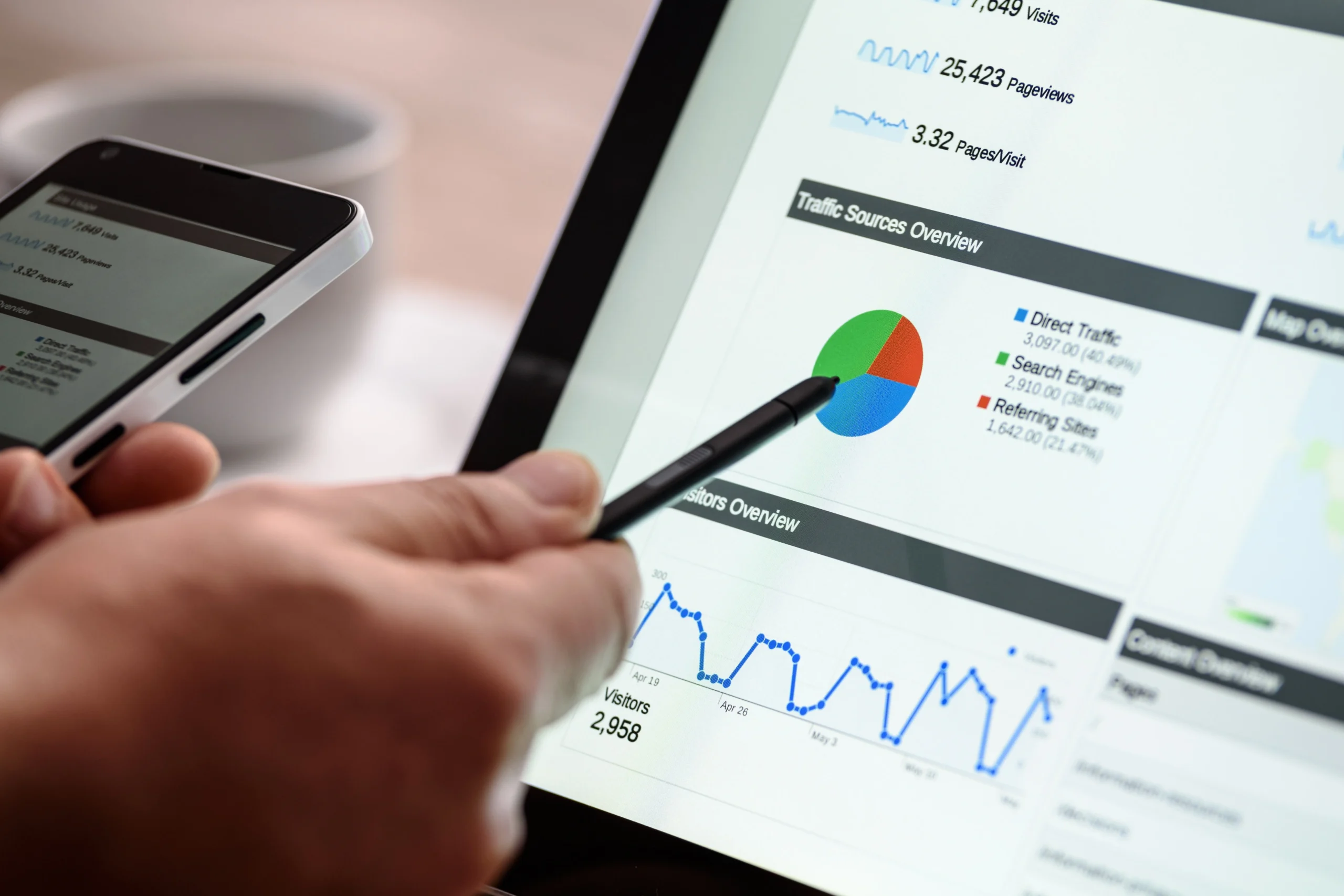
Marketing analytics is the process of collecting, measuring and analysing marketing data to understand how your campaigns are performing.
Instead of relying on assumptions, marketing analytics helps businesses make informed decisions based on real data, allowing them to improve customer engagement, optimise marketing spend and achieve better results.
Whether you’re running SEO campaigns, paid advertising, email marketing or social media, understanding your marketing performance is essential for long-term business growth.
What Is Marketing Analytics?
Marketing analytics involves gathering data from your various marketing channels and turning it into meaningful insights.
Rather than simply tracking numbers, it helps answer important business questions, such as:
- Which marketing channels generate the most leads?
- Which campaigns deliver the highest return on investment?
- How are customers interacting with your website?
- Where are potential customers dropping off in the sales journey?
- Which marketing activities should receive a larger share of the budget?
Why Is Marketing Analytics Important?
Without measuring your marketing efforts, it’s difficult to know what’s working and what isn’t.
Marketing analytics provides valuable insights that help businesses:
Make Better Business Decisions
Instead of relying on guesswork, you can use data to understand customer behaviour and identify which strategies produce the best outcomes.
Improve Marketing ROI
Tracking campaign performance allows you to invest more in marketing activities that generate results while reducing spend on underperforming campaigns.
Better Understand Your Customers
Marketing analytics reveals how customers discover your business, what content they engage with and what influences their purchasing decisions.
This information helps create more relevant marketing campaigns and a better customer experience.
Optimise Campaign Performance
Rather than waiting until a campaign ends, businesses can monitor performance throughout the campaign and make adjustments where needed.
Allocate Budgets More Effectively
Knowing which channels consistently deliver results helps businesses distribute their marketing budget more strategically.
What Metrics Should You Track?
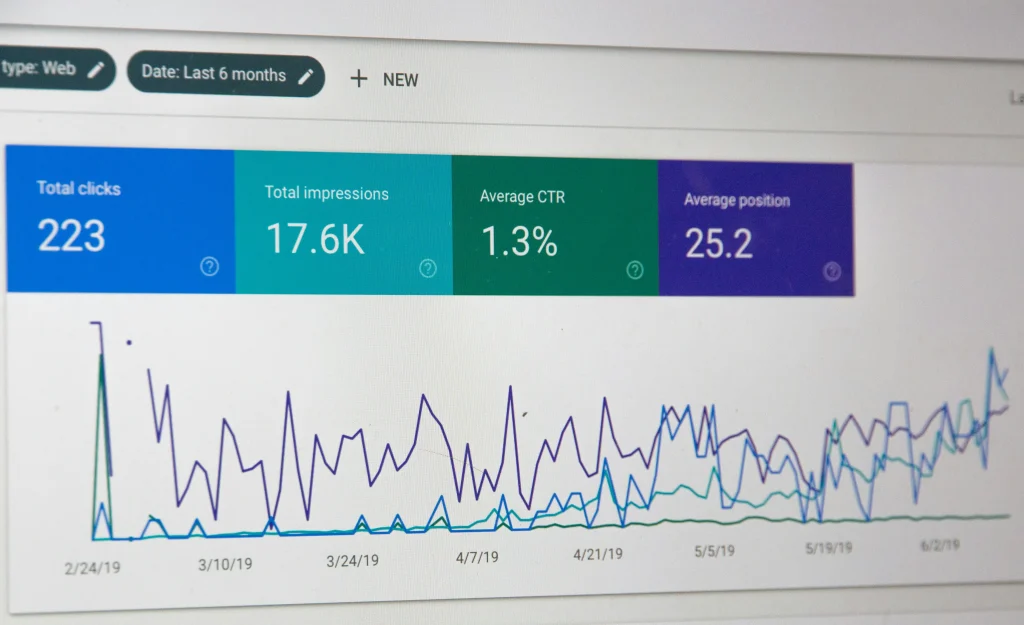
The right metrics depend on your business goals, but some of the most common marketing analytics metrics include:
- Website Traffic: Measures how many people visit your website and where those visitors come from.
- Conversion Rate: Shows the percentage of visitors who complete a desired action, such as making a purchase or submitting an enquiry form.
- Customer Acquisition Cost (CAC): Calculates how much it costs to acquire a new customer through your marketing efforts.
- Return on Investment (ROI): Measures whether your marketing activities generate more revenue than they cost.
- Click-Through Rate (CTR): Tracks how many users click on your advertisements, emails or search listings after seeing them.
- Customer Lifetime Value (CLV): Estimates how much revenue a customer is expected to generate throughout their relationship with your business.
The Different Types of Marketing Analytics
Marketing analytics can generally be grouped into four categories.
Descriptive Analytics
Descriptive analytics looks at historical data to explain what has already happened.
For example, it may show that a recent email campaign generated more enquiries than the previous month’s campaign.
Diagnostic Analytics
Diagnostic analytics explores why certain results occurred.
If website traffic suddenly dropped, diagnostic analytics can help identify possible causes, such as algorithm updates, technical issues or changes in customer behaviour.
Predictive Analytics
Predictive analytics uses historical data and trends to estimate future outcomes.
Businesses may use predictive analytics to forecast sales, identify likely customer behaviour or estimate campaign performance.
Prescriptive Analytics
Prescriptive analytics goes one step further by recommending actions based on available data.
For example, it may suggest increasing advertising spend on a high-performing campaign or targeting a specific customer segment.
Common Tools Used for Marketing Analytics
Most businesses collect marketing data from multiple platforms. Some commonly used tools include:
- Google Analytics for website performance
- Google Search Console for search visibility
- CRM systems for customer and sales data
- Email marketing platforms for campaign performance
- Social media analytics tools
- Advertising platforms such as Google Ads and Meta Ads Manager
- Marketing dashboards that combine data from multiple sources
Best Practices for Marketing Analytics
Collecting data is only the first step. To get the most value from marketing analytics, businesses should follow a few best practices.
Set Clear Marketing Goals
Define what success looks like before launching a campaign.
Whether your objective is increasing website traffic, generating leads or improving sales, having clear goals makes it easier to measure performance.
Focus on Meaningful KPIs
Avoid becoming distracted by vanity metrics, such as social media followers or impressions, unless they directly support your business objectives.
Instead, prioritise metrics that demonstrate business growth and return on investment.
Combine Data from Multiple Sources
Customers often interact with several marketing channels before making a purchase.
Looking at your marketing data collectively provides a more accurate understanding of the customer journey.
Review Performance Regularly
Marketing analytics should be an ongoing process rather than a once-a-month task.
Regular reporting allows businesses to identify trends early and respond quickly to changes in performance.
Test and Improve
One of the biggest advantages of marketing analytics is the ability to continuously improve.
Testing different headlines, landing pages, advertisements or email campaigns helps businesses identify what resonates most with their audience.
Ready to Make Better Marketing Decisions?
Successful marketing isn’t about being active on every channel or launching more campaigns. It’s about understanding what’s delivering real value for your business.
Marketing analytics gives you a clearer picture of your performance, helping you identify what’s working, where improvements can be made and how to allocate your budget with greater confidence.
At Ostenpowers, we help businesses turn marketing data into actionable strategies that support measurable results. If you’re looking to refine your marketing approach and make more confident, data-driven decisions, explore our portfolio or get in touch with our team to see how we can help.