SEO
SEO
 Web Design & Development
 Google Ads
 Social Media Ads
 App Design & Development
 Lawyer
 Tradies
 E-commerce


 July 9, 2026
Launching an online store is only the first step. The bigger challenge is getting the right people to find your products and encouraging them to make a purchase. That’s where ecommerce marketing comes in.
In this guide, we’ll explain what ecommerce marketing is, why it matters, and the strategies businesses use to increase online sales.
What Is Ecommerce Marketing?
Ecommerce marketing is the process of promoting an online store and its products using digital marketing strategies.
The goal is to:
- attract potential customers
- increase website traffic
- convert visitors into buyers
- encourage repeat purchases
- build long-term customer loyalty
Unlike traditional marketing, ecommerce marketing focuses on the entire online buying journey, from the moment someone discovers your brand until long after they’ve completed their purchase.
For example, someone might first find your business through a Google search, browse your products after seeing a social media ad, receive a promotional email a few days later, and finally complete their purchase through your website.
Why Is Ecommerce Marketing Important?
Competition in online retail continues to grow every year. Even if you have great products, customers won’t automatically find your store.
An effective ecommerce marketing strategy helps your business:
- increase brand awareness
- attract qualified website traffic
- improve conversion rates
- build customer trust
- encourage repeat purchases
- generate long-term business growth
Rather than relying on a single marketing channel, successful ecommerce businesses usually combine several strategies to reach customers throughout their buying journey.
The Main Types of Ecommerce Marketing
Different channels play different roles in attracting and converting customers.
Search Engine Optimisation (SEO)
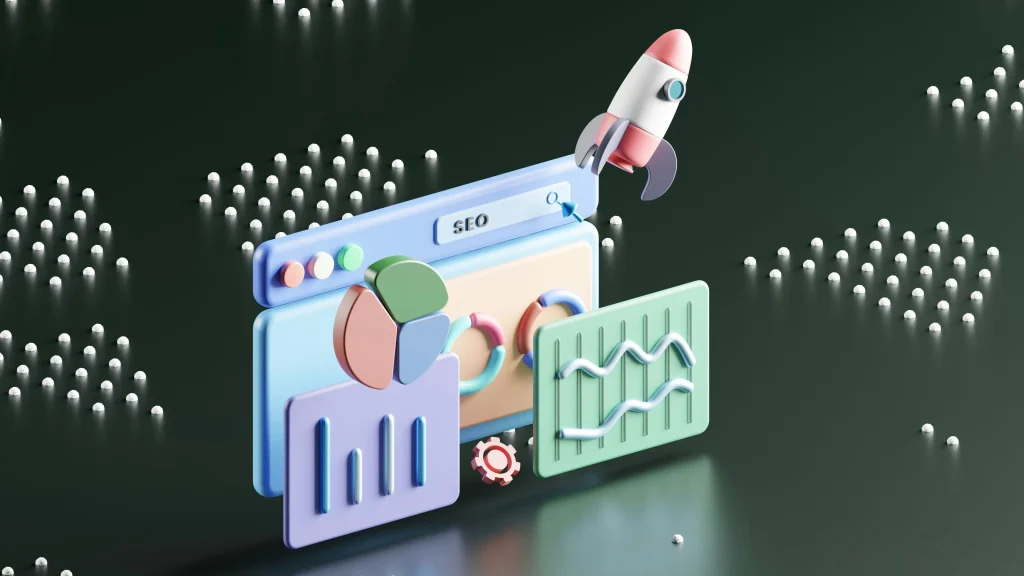
SEO helps your ecommerce website appear in search engine results when people look for products or information related to your business.
This includes:
- keyword research
- optimising product pages
- creating helpful content
- improving website speed
- building authority through quality backlinks
Unlike paid advertising, SEO can continue driving traffic long after the content is published.
Content Marketing
Content marketing focuses on creating useful information that helps your audience solve problems or answer questions.
Examples include:
- buying guides
- product comparisons
- how-to articles
- videos
- FAQs
Helpful content builds trust and can attract customers before they’re ready to make a purchase.
Social Media Marketing
Platforms like Instagram, Facebook, TikTok, and LinkedIn allow businesses to showcase products, engage with customers, and increase brand visibility.
Social media marketing can support both organic growth and paid advertising campaigns while helping build a stronger relationship with your audience.
Paid Advertising
Paid advertising allows businesses to reach potential customers much faster.
Common options include:
- Google Ads
- Facebook Ads
- Instagram Ads
- Shopping Ads
- Display advertising
Paid campaigns are especially useful for promoting new products, seasonal sales, or reaching highly targeted audiences.
Email Marketing
Email remains one of the highest-performing marketing channels for ecommerce businesses.
Businesses often use email to:
- welcome new subscribers
- recover abandoned carts
- promote new products
- announce sales
- reward loyal customers
Because subscribers have already shown interest in your business, email marketing often generates strong long-term results.
How Ecommerce Marketing Works
Successful ecommerce marketing supports customers throughout every stage of their buying journey.
Awareness
At this stage, people are discovering your business for the first time.
SEO, social media, blog content, and paid ads help introduce your products to new audiences.
Consideration
Once visitors know about your brand, they begin comparing products, reading reviews, and looking for more information.
Clear product pages, helpful content, and customer testimonials can build confidence during this stage.
Purchase
When customers are ready to buy, your website should make the checkout process as simple as possible.
Fast loading pages, secure payment options, and a smooth user experience can all improve conversion rates.
Retention
The relationship doesn’t end after the first sale.
Follow-up emails, loyalty programs, personalised recommendations, and excellent customer service encourage customers to return and purchase again.
Ecommerce Marketing Strategies That Deliver Results

While every business is different, several strategies consistently help online stores grow.
Optimise Your Product Pages
Product pages should provide everything customers need to make a buying decision.
Include:
- clear product descriptions
- high-quality images
- pricing information
- customer reviews
- strong calls to action
Well-optimised product pages also perform better in search results.
Invest in SEO
Organic traffic is one of the most sustainable ways to grow an ecommerce business.
Publishing helpful content alongside optimised product pages allows your website to attract visitors throughout different stages of the buying journey.
Combine Organic and Paid Marketing
SEO builds long-term visibility, while paid advertising delivers immediate traffic.
Using both together often creates a more balanced marketing strategy than relying on only one channel.
Recover Abandoned Carts
Not every visitor buys during their first visit.
Automated reminder emails or retargeting ads can encourage customers to complete purchases they left behind.
Monitor Your Results
Marketing isn’t something you set up once and forget.
Regularly reviewing your data helps you understand:
- which channels generate the most sales
- which campaigns perform best
- where customers leave your website
- which products attract the most attention
Small improvements made consistently can lead to significant long-term growth.
Frequently Asked Questions
Is ecommerce marketing the same as digital marketing?
Not exactly. Ecommerce marketing is a type of digital marketing focused specifically on promoting online stores and increasing online sales.
Which ecommerce marketing channel works best?
There isn’t one single best channel. Most successful businesses combine SEO, content marketing, paid advertising, social media, and email marketing to reach customers at different stages of the buying journey.
How long does ecommerce marketing take to work?
Paid advertising can generate traffic almost immediately, while SEO and content marketing typically take several months to build momentum. Combining both often delivers the strongest long-term results.
Ready to Grow Your Online Store?
Ecommerce marketing isn’t about relying on a single tactic. The strongest results usually come from combining SEO, paid advertising, content marketing, social media, and email into a strategy that supports every stage of the customer journey.
At Ostenpowers, we help ecommerce businesses build marketing strategies that drive more traffic, increase conversions, and support sustainable growth. Whether you need help with SEO, Google Ads, social media advertising, or website optimisation, our team can help you create a strategy tailored to your business goals.
Get in touch with Ostenpowers today to discover how the right ecommerce marketing strategy can help your online store grow.