SEO
SEO
 Web Design & Development
 Google Ads
 Social Media Ads
 App Design & Development
 Lawyer
 Tradies
 E-commerce



 August 24, 2026
Running an Australian small business often feels like a constant choice between two financial headaches. You can either pay for every single website click through paid advertising, or wait around hoping word-of-mouth eventually brings in your next customer.
Inbound marketing offers a proven alternative to this cycle. Instead of interrupting people with cold sales pitches, an inbound approach earns user attention by publishing helpful content that answers the exact questions your ideal clients are already searching for online.
This guide will explain how inbound marketing works, how it differs from traditional outbound tactics, and how Australian small-to-medium enterprises (SMEs) can build a cost-effective strategy that generates reliable leads over the long term.
What Is Inbound Marketing?
Inbound marketing is a business growth methodology that attracts qualified prospective customers by creating valuable content and tailored online experiences. Rather than forcing a sales message in front of a broad audience, you build digital assets that address the specific problems and goals your target market is actively trying to solve.
Instead of operating as a single marketing tactic, inbound functions as an overarching system that connects several organic channels:
- Search Engine Optimisation (SEO): Optimising website pages so searchers discover your brand when researching a solution.
- Content Marketing: Publishing educational blog posts, buying guides, and video walkthroughs that answer prospect questions.
- Organic Social Media: Sharing insights, behind-the-scenes updates, and customer success stories on platforms where your audience spends time.
- Email Marketing: Nurturing opt-in subscribers over time with relevant advice, market updates, and exclusive offers.
The core principle behind this approach is the concept of pull versus push. Outbound tactics push a sales message out to an audience regardless of whether they want to hear it. Inbound marketing pulls qualified buyers toward your brand because they are already looking for an answer you are equipped to provide.
If you want to build a compounding acquisition channel that continues bringing in prospective clients long after content is published, starting with a clear organic plan is the logical first step.
Inbound Marketing vs Outbound Marketing
Understanding the distinction between inbound and outbound marketing helps you decide where your next marketing dollar should go. Both approaches can generate business, but their cost structures, timelines, and audience interactions differ fundamentally.
The Core Difference
Outbound marketing relies on direct promotion. It includes cold phone calls, direct mail drops, print flyers, TV and radio commercials, and paid display banners. You pay to rent space on a channel to interrupt an audience while they are doing something else.
Inbound marketing focuses on earning trust before attempting a sale. By publishing detailed pricing guides, comparison articles, or troubleshooting tips, you capture prospect interest while they are actively researching a purchase.
| Characteristic | Inbound Marketing | Outbound Marketing |
| Primary Mechanism | Pulls interested buyers via search and content | Pushes promotional messages out to broad audiences |
| Audience Relationship | Permission-based; prospective clients opt in | Interruption-based; viewers see ads unprompted |
| Asset Longevity | Long-term; published articles compound traffic | Short-term; traffic stops the moment ad spend ends |
| Cost Trajectory | Cost per lead decreases as organic assets mature | Fixed cost per impression or click on paid channels |
| Primary Channels | SEO, educational blogs, organic social, email | Cold outreach, print ads, billboards, display ads |
Do Australian SMEs Need Both?
For most Australian small businesses, the most effective approach is not an either-or decision. Blending inbound and outbound channels creates a balanced strategy that balances immediate cash flow with long-term brand equity.
Outbound advertising remains essential for capturing urgent, immediate intent or driving fast awareness. For example, a homeowner dealing with an overflowing pipe needs an emergency plumber immediately, making quick-turn search ads on Google Ads a vital tool for instant visibility.
However, relying exclusively on paid channels means your lead flow disappears the moment you pause your ad campaign. Pairing short-term paid campaigns with long-term inbound content ensures your business builds permanent digital assets that lower overall customer acquisition costs over time.
How Inbound Marketing Works: Attract, Engage, Delight
Source: magnific.com
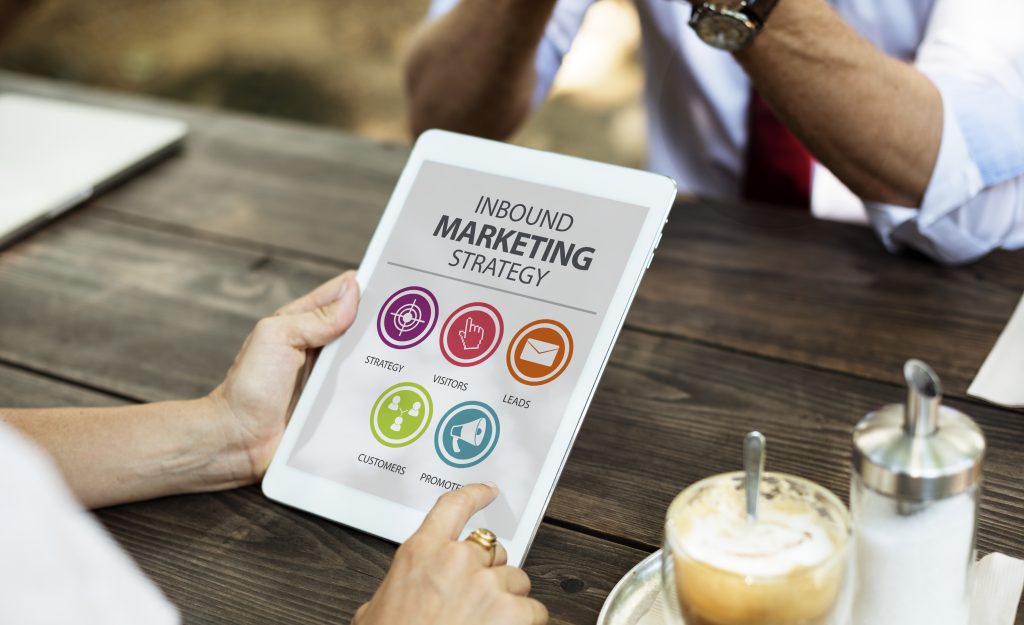
To turn anonymous website visitors into loyal clients, inbound marketing relies on a three-stage framework: Attract, Engage, and Delight. Each stage delivers specific content designed to guide prospective buyers smoothly through their decision-making process.
Attract
The Attract stage focuses on bringing the right prospective clients to your digital properties. Instead of trying to reach everyone, you target individuals who are most likely to become high-value customers.
There are key activities during this phase:
- Educational Blog Posts: Writing detailed articles that resolve specific buyer frustrations and answer common pre-purchase questions.
- Local Visibility: Optimising your Google Business Profile so local searchers find your business on Google Maps.
- Organic Social Content: Sharing practical tips and project visual transformations that showcase your team’s expertise.
Executing this phase effectively requires a structured SEO strategy that targets relevant, commercial search terms rather than vanity keywords with no purchase intent.
Engage
Once visitors land on your website, the Engage stage focuses on building relationships and collecting contact details. You provide valuable resources in exchange for permission to continue the conversation via direct communication channels.
Core elements of the Engage phase:
- Lead Magnets: Offering downloadable resources like pricing calculators, inspection checklists, or PDF guides.
- Email Nurture Sequences: Sending a series of automated, helpful emails that address common sales objections and explain your service process.
- Targeted Offers: Presenting tailored consultations, product samples, or site assessments to contacts who demonstrate high buying intent.
Australian businesses must maintain strict regulatory compliance during the Engage stage. Under the Spam Act 2003, any commercial email or SMS sent to an Australian contact requires express or inferred consent, clear sender identification, and an easily accessible, functional unsubscribe link that processes requests within five business days.
Delight
The inbound framework does not end when a prospect signs a contract or completes a checkout. The Delight stage ensures customers remain satisfied, make repeat purchases, and actively recommend your business to others.
Here are the key strategies for the Delight phase:
- Onboarding Guides: Providing clear post-purchase instructions, FAQs, and care guides that reduce customer support queries.
- Review Generation: Prompting satisfied clients to leave Google reviews, which directly strengthens your local search rankings and social proof.
- Retention Content: Sending periodic updates, loyalty perks, and seasonal maintenance reminders to keep past buyers engaged.
What Does Inbound Marketing Cost for an Australian Small Business?
A common concern for business owners is understanding what a realistic inbound marketing budget looks like. Benchmarking data shows Australian SMEs allocate an average of 2–3% of total revenue to marketing, well below the ±7.7% enterprise average recorded in global surveys.
Because small business budgets are finite, inbound marketing represents an exceptionally efficient model. Rather than paying an ongoing fee for every single view, your capital goes into creating permanent digital assets that generate organic traffic for years.
Channel return metrics consistently highlight the financial strength of content-led channels. Industry research shows that email marketing generates an average return of $38 AUD for every $1 spent, making permission-based email lists one of the highest-yielding assets an SME can own.
For a small team starting out, you do not need a massive production pipeline. Publishing one well-researched, genuinely helpful piece of content per month yields far better commercial results than flooding your website with thin, unhelpful articles.
Does Inbound Marketing Still Work With AI Overviews and AI Search?

Source: magnific.com
Search engines have changed rapidly over the past year. With Google rolling out Gemini-powered AI Overviews prominently across search results in Australia, many business owners wonder if traditional content strategies still drive organic traffic.
Australia records some of the highest AI search adoption rates globally, with a substantial portion of informational search queries now triggering an AI-generated summary at the top of the search engine results page. These summaries answer searcher questions directly, pulling citations from published web sources.
Rather than making inbound content obsolete, AI search increases the value of publishing authoritative, original material. AI Overviews rely heavily on sourcing clear, well-structured, expert content to generate their answers.
The core rule of inbound marketing is answering customer questions better than anyone else. This is the exact quality signal AI search engines reward. Websites that publish unique local data, real project case studies, and clear explanations earn citations inside AI Overviews, maintaining strong brand visibility.
What Inbound Marketing Looks Like for Australian SMEs

Source: magnific.com
Inbound marketing is not restricted to technology companies or corporate enterprises. Local Australian businesses across every industry can apply these principles to generate consistent sales enquiries.
Local Trade Services (e.g., Electrical Contractor)
- Attract: Publishes detailed local guides explaining “How Much Does a Switchboard Upgrade Cost in Melbourne?” and “5 Signs Your Home Needs Rewiring.”
- Engage: Offers a downloadable “Home Electrical Safety Checklist” for homeowners planning a renovation.
- Delight: Sends an automated annual smoke alarm maintenance reminder to past clients every 12 months.
Professional Services (e.g., Family Law Firm)
- Attract: Creates a comprehensive blog series breaking down the legal separation process in plain English without legal jargon.
- Engage: Provides a confidential “Property Settlement Preparation Guide” that helps prospective clients organise financial documents before their first consultation.
- Delight: Distributes a monthly legal newsletter explaining recent changes to family law that impact business owners and property holders.
Boutique E-Commerce (e.g., Eco-Friendly Skincare Brand)
- Attract: Shares short-form educational videos detailing ingredient safety and posts comparison articles matching skin types to products.
- Engage: Offers a 10% discount on first orders in exchange for joining an email newsletter list.
- Delight: Sends personalized post-purchase skincare routine tips based on the exact items the customer ordered.
Getting Started With Inbound Marketing
Building an inbound strategy does not require overhaul overnight. Following a structured, step-by-step launch plan allows your business to build momentum without overwhelming your daily operations.
- Audit Existing Customer Questions: Make a list of the 10 most common questions prospective clients ask during sales calls or intake forms.
- Create a Sustainable Content Calendar: Commit to a realistic publishing schedule that your team can execute consistently, such as one detailed article every fortnight.
- Optimise Your Web Infrastructure: Ensure your website design provides fast mobile load times, clear service pages, and simple contact forms so incoming traffic converts.
- Distribute Across Channels: Share every published article across your business social pages and amplify reach using targeted social media ads to accelerate initial distribution.
- Track Long-Term Lead Metrics: Monitor organic impressions, keyword rankings, and contact form submissions over a 3-to-6-month window rather than judging performance after a few days.
FAQ About Inbound Marketing
Is inbound marketing free?
Inbound marketing is not strictly free, as it requires time, content creation skills, and ongoing strategy work to execute correctly. However, unlike paid search or display advertising where traffic stops immediately when spend halts, inbound assets continue generating organic traffic and leads for years without ongoing per-click fees.
How long does inbound marketing take to show results?
Most Australian SMEs begin seeing initial movements in search indexation and organic impression volume within 30 to 60 days. Consistent lead generation typically builds momentum between 3 and 6 months as search engines index your content, evaluate user engagement, and build domain authority.
What’s the difference between inbound marketing and content marketing?
Content marketing is a specific tactical component inside the broader inbound methodology. Content marketing focuses strictly on creating and distributing written, visual, or audio material, while inbound marketing encompasses the entire ecosystem, including technical SEO, website conversion rate optimisation, email automation, and customer retention strategies.
Build an Inbound Strategy That Compounds Over Time
Inbound marketing changes how your business acquires new clients by replacing short-term sales pushes with a sustainable, permission-based growth engine. By publishing helpful content, capturing leads through compliant email sequences, and delighting existing clients, you build an organic pipeline that lowers acquisition costs over time.
Getting inbound marketing right in Australia comes down to knowing exactly what your customers are searching for and answering it better than anyone else on the page. That’s the whole idea behind our approach to SEO, a clear plan for the content and rankings that actually bring in leads with no secrets.
If you’re ready to turn your website into a source of ongoing enquiries instead of a cost centre, get in touch with Ostenpowers for a straightforward look at where your inbound opportunity actually sits.