SEO
SEO
 Web Design & Development
 Google Ads
 Social Media Ads
 App Design & Development
 Lawyer
 Tradies
 E-commerce


 June 15, 2026
Most business people will agree that digital marketing is now the primary way customers find you, evaluate your services, and decide to buy.
Learning about digital marketing channels like SEO, Google Ads, social media, email, content, and many more can be overwhelming at first. That leaves you questioning, where do I even start?
This guide will break it all down in plain language so you can make informed decisions about where to invest your time and budget online.
What Is Digital Marketing?

Digital marketing is the use of online channels: search engines, social media, email, websites, and more, to reach, attract, and convert customers.
Unlike traditional marketing (TV, print, radio), digital marketing is measurable and targeted. You can see exactly how many people clicked an ad, visited a page, or filled out a form, and adjust your spend accordingly.
Digital marketing is now part of a business itself in this era, anywhere around the world including Australia.
With digital advertising spend in Australia projected to exceed USD 16.88 billion in 2026, it is clear that businesses across the country are shifting their budgets toward online channels to remain competitive.
Why Does Digital Marketing Matter for Australian Businesses?
Internet access among Australian adults is now almost universal. According to the Australian Communications and Media Authority (ACMA), 99.7% of Australian adults had internet access. Which means, your customers are already online, searching for businesses like yours every day.
Here’s why digital marketing delivers:
- Measurable results: track every click, lead, and dollar spent in real time
- Targeted reach. Only show your ads to people actively looking for what you sell
- Cost-effective. Even modest budgets can generate strong returns when spend is focused
- Competitive edge. If you’re not visible online, your competitors are capturing your potential customers
Whether you’re investing in pay-per-click advertising or building organic traffic over time, digital channels give you data-driven control that traditional marketing simply can’t match.
The Main Channels of Digital Marketing
Search Engine Optimisation (SEO)
SEO is the process of making your website appear higher in Google search results, without paying for ads.
Key SEO tactics include:
- Keyword research and on-page optimisation
- Publishing helpful, relevant content
- Building quality backlinks from other websites
- Technical improvements to site speed and structure
- Local SEO to appear in “near me” searches
SEO is a long-term investment. Results build gradually over months, but the compound effect — more organic traffic, more leads, without ongoing ad spend, makes it one of the highest-value channels available.
Explore Search Engine Optimisation to understand what a well-managed campaign looks like.
Google Ads (Pay-Per-Click Advertising)
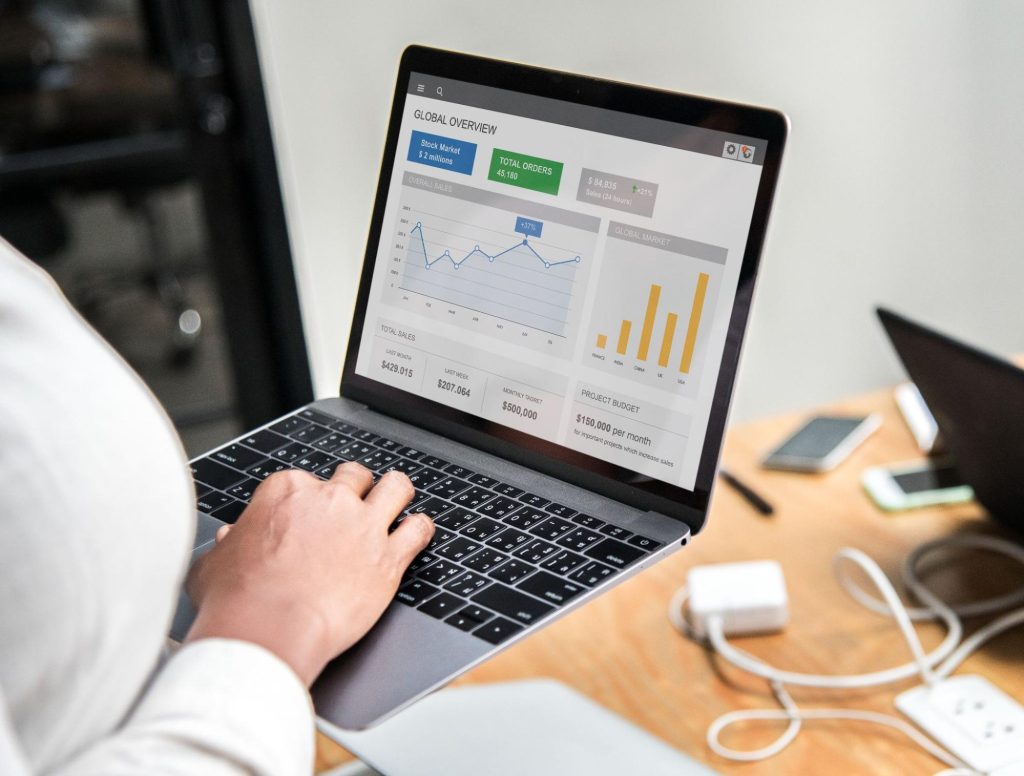
Google Ads are paid search ads that appear at the top of Google when someone searches for your product or service.
Key benefits of PPC:
- Immediate visibility. Your business appears the moment someone searches
- Full budget control. Set daily limits and only pay when someone clicks
- Precise targeting. Reach people at the exact moment they’re ready to buy
Google Ads is ideal for businesses that need leads quickly, are launching a new service, or want to test a new market before committing to SEO. Learn more about pay-per-click advertising and how it fits into a broader strategy.
Social Media Advertising
Australia has over 21 million active social media users, making platforms like Facebook, Instagram, LinkedIn, and TikTok powerful channels for almost any business.
Social ads work particularly well for:
- Brand awareness, reaching people before they’re actively searching
- Remarketing: re-engaging visitors who’ve already been to your website
- Audience-based targeting. Reaching people by age, location, interests, and behaviour
Unlike search ads, social media advertising lets you reach audiences who don’t know they need you yet — making it a strong complement to SEO and Google Ads. Discover what social media advertising looks like in practice.
Content Marketing
Content marketing involves creating helpful articles, guides, videos, and resources that attract and educate potential customers.
Good content does two things at once: it supports SEO by giving Google more quality pages to index, and it builds trust with readers who aren’t quite ready to buy yet.
Common content formats include:
- Blog posts and FAQs
- How-to guides and tutorials
- Case studies and testimonials
- Video explainers
When someone searches “how to fix a leaking tap” and finds your plumbing business’s helpful guide, you’ve built credibility before they’ve even contacted you.
Email Marketing
Email consistently delivers one of the highest returns of any digital channel — because you’re reaching an audience that has already opted in to hear from you.
Email is used for:
- Regular newsletters to keep your brand top of mind
- Promotional campaigns and seasonal offers
- Onboarding sequences for new customers
- Abandoned cart follow-ups for e-commerce businesses
In 2026, personalisation and automation are what separate average email programmes from high-performing ones. Sending the right message to the right person at the right time is now achievable even for small businesses.
Web Design and Development
Your website is the hub of all your digital marketing activity. Every channel such as SEO, ads, social media, and email, ultimately drives traffic back to it.
A slow, outdated, or hard-to-navigate site will undermine even the best campaigns. Key considerations include:
- Mobile-first design. Mobile internet use is now widespread in Australia, with 97% of adults accessing the internet via mobile phones; your site must perform on a small screen
- Page speed. Google ranks faster sites higher, and visitors leave slow ones
- Clear calls to action. Every page should guide visitors toward the next step
If your site isn’t converting visitors into enquiries, no amount of marketing spend will fix that. Investing in web design and development is often the highest-leverage first step.
How These Channels Work Together
Digital marketing works best when channels are integrated rather than used in isolation.
Here’s a typical customer journey:
- A potential customer sees a social media ad for your business
- They visit a blog post on your website
- Later, they search your business name on Google
- They land on your service page and consider enquiring
- A remarketing ad reminds them, and they convert
Each channel plays a different role: SEO and content build long-term organic traffic; Google Ads provides immediate volume; email nurtures leads over time; social media keeps your brand top of mind. The right mix depends on your business type, goals, and budget.
Not sure which channels to prioritise? Speak with the Ostenpowers team for a free strategy review.
How to Get Started With Digital Marketing

Starting doesn’t have to be complicated. Follow these five steps:
- Define your goals, is it more leads, more sales, brand awareness, or all three?
- Know your audience by answering who are your ideal customers? Where are they online? And what are they searching for?
- Prioritise channels. Start with one or two rather than trying everything at once
- Set a realistic budget. Consistency matters more than big spend; regular activity compounds over time
- Track and optimise, use Google Analytics and Google Search Console to review what’s working and where to improve
One emerging consideration for 2026: AI-powered tools and automation are reshaping how campaigns are built and managed. From smart bidding in Google Ads to AI-generated content briefs, these tools are becoming standard practice for agencies and in-house marketers alike.
Should You Handle Digital Marketing In-House or Use an Agency?

Both approaches have merit and the right choice depends on your resources and goals.
In-house gives you direct control and saves on fees, but requires time, skill, and staying current with constant platform changes.
Agency brings expertise, specialist tools, and dedicated capacity, especially valuable for SMEs without a dedicated marketing team.
Hybrid is increasingly common: many businesses manage social content or email in-house while outsourcing technical SEO and paid ads to specialists.
Results consistently improve when campaigns are managed by people with platform certifications, access to industry benchmarks, and live performance data across multiple client accounts.
Whether you’re a tradesperson looking at digital marketing for tradies or a retailer exploring e-commerce digital marketing, there are strategies designed specifically for your context.
Frequently Asked Questions About Digital Marketing
What is the difference between digital marketing and traditional marketing?
Traditional marketing (TV, print, and radio) offers broad reach but limited tracking. Digital marketing is measurable, targeted, and interactive: you can see exactly who clicked, when, and what they did next. For most Australian SMEs, digital is now the default starting point.
How much does digital marketing cost in Australia?
Costs vary significantly depending on channels, agency, and ad spend. Many businesses start with SEO or Google Ads and scale investment as results build. The key metric is return on investment, not upfront cost. A well-managed campaign should generate more than it costs.
How long does it take to see results from digital marketing?
Paid channels like Google Ads and social media ads can deliver results within days. SEO and content marketing are longer-term plays, typically you can see the growth within 3-6 months of consistent effort, with results compounding from there.
What is the most effective digital marketing channel for small businesses?
It depends on your offering. Search-driven products and services (trades, professional services, local retail) often see fast results from Google Ads and SEO.
Meanwhile, businesses that require more audience education typically benefit most from social media and content marketing. A strategy assessment helps identify the right starting point.
Do I need a website to do digital marketing?
Yes. Your website is the foundation of everything else. Even a simple, fast, mobile-friendly site makes a significant difference.
Without one, you have nowhere to send traffic and no way to convert interest into enquiries.
Ready to Grow Your Business Online?
Digital marketing is a connected set of channels that, when used together, can consistently drive growth for your businesses. It can feel like a lot to take on alone, and that’s exactly where a specialist agency helps.
Our team at Ostenpowers will help you get results from SEO, Google Ads, social media, and web design. Get in touch today to discuss a strategy tailored to your business.