SEO
SEO
 Web Design & Development
 Google Ads
 Social Media Ads
 App Design & Development
 Lawyer
 Tradies
 E-commerce



 August 18, 2026
Ad copy refers to the specific text written within a paid advertisement designed to convince a target reader to take an immediate action. Whether you are running pay-per-click search campaigns or sponsored social media posts, your copy does the heavy lifting of turning casual viewers into paying leads.
Writing high-converting text requires balancing persuasive frameworks, tight platform character limits, and Australian consumer protection laws. When combined effectively, great copy lowers your acquisition costs and maximizes your return on ad spend.
This guide will break down how to structure compelling ad copy for your small business. You will discover proven copywriting frameworks, current 2026 platform specifications, real Australian before-and-after examples, and essential compliance rules to protect your brand.
If you want to scale your paid search performance, managing these elements is essential for high-performing Google Ads campaigns.
What Is Ad Copy?
Ad copy encompasses every written element within a paid advertisement. This includes main headlines, supporting body descriptions, display paths, primary text fields, and call-to-action (CTA) buttons.
Unlike organic social posts or general web copy, every word in an ad serves a single commercial purpose. Depending on your channel, your copy must capture attention, communicate value, and prompt a specific action such as clicking a link, calling a business, or booking an appointment within seconds.
While visual design and video assets play a massive role on platforms like Instagram, your ad copy provides the context and persuasion that closes the deal. The design stops the scroll, but the words deliver the pitch.
Ad Copy vs. Copywriting: What’s the Difference?
Copywriting is the broader professional discipline of writing persuasive text for sales pages, email newsletters, brochures, and websites. It encompasses long-form brand storytelling, nurture sequences, and deep educational content designed to build trust over extended periods.
Ad copy is a specialized, highly condensed subset of copywriting. It operates under strict character limits and platform constraints, forcing you to compress your core value proposition into a few punchy sentences designed to drive immediate action.
Simply put, writing a 2,000-word educational article is long-form copywriting; crafting a 30-character Google Ads headline that compels a local buyer to click is ad copy.
Why Good Ad Copy Matters for Small Businesses
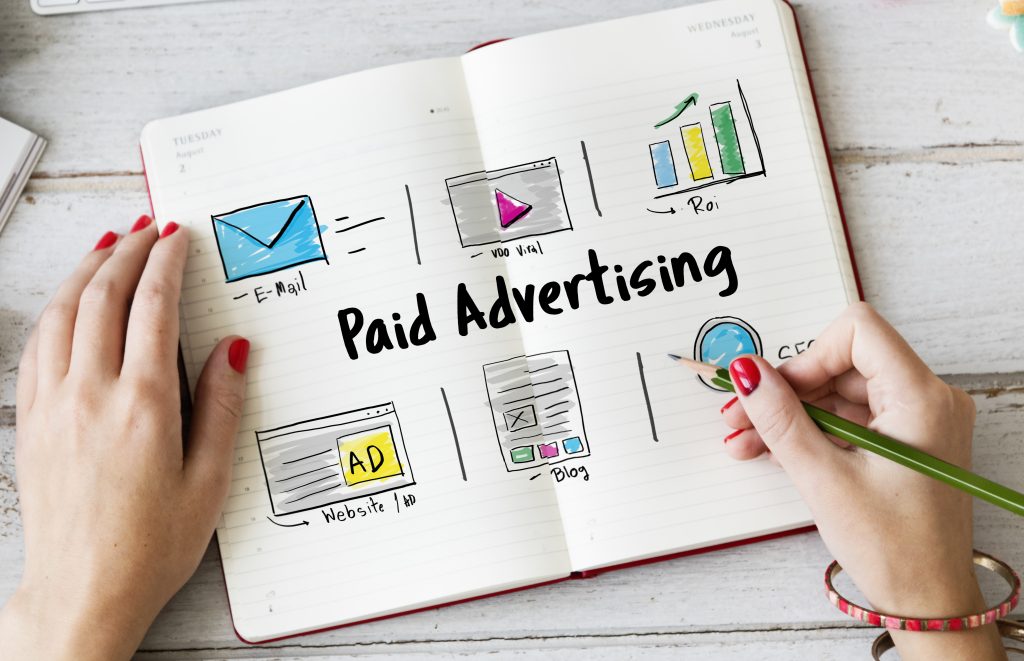
For Australian SMEs operating with strict marketing budgets, ad copy directly impacts campaign profitability. Paid ad networks evaluate how users interact with your messaging to determine how much you pay for visibility.
On Google Search, your copy quality and relevance directly dictate your expected click-through rate. High click-through rates improve your Quality Score, which lowers your actual cost per click (CPC) against competitors bidding for the same search keywords.
On Meta platforms like Facebook and Instagram, engaging copy reduces your cost per thousand impressions (CPM). Ads that trigger strong user engagement signal relevance to Meta’s algorithm, earning your business cheaper ad delivery.
Refining your text is the single cheapest way to boost performance without inflating your daily ad spend. If you want to improve your Google Ads CTR, updating your headlines and offers delivers immediate, measurable gains.
Proven Ad Copy Frameworks (and When to Use Each)
Staring at a blank page often leads to generic, uninspiring copy. Using structured copywriting frameworks allows you to build logical, highly persuasive messages quickly.
AIDA Framework (Attention, Interest, Desire, Action)
The AIDA framework works exceptionally well when targeting cold prospective clients who have never heard of your brand. You grab their attention with a surprising hook, generate interest with relevant facts, spark desire by showcasing a desirable outcome, and end with a clear action prompt.
A Perth emergency plumbing service targeting cold search traffic might structure an AIDA ad like this:
- Attention: Burst pipe flooding your hallway?
- Interest: Local Perth plumbers arrive on-site within 60 minutes, 24/7.
- Desire: We fix leaks fast, clean up the mess, and charge zero call-out fees today.
- Action: Call now for immediate local dispatch.
PAS Framework (Problem, Agitate, Solution)
The PAS framework focuses heavily on customer pain points, making it ideal for high-intent searchers actively looking to solve a frustrating problem. You state the issue clearly, agitate the emotional or financial risk of leaving it unresolved, and present your service as the ultimate relief.
A Melbourne e-commerce fashion brand re-targeting abandoned shoppers could structure a PAS ad like this:
- Problem: Tired of workwear pants that shrink after two washes?
- Agitate: Cheap fabrics lose their shape fast, leaving you wearing faded, uncomfortable office wear every week.
- Solution: Our Australian-designed trousers use pre-shrunk organic cotton that stays crisp all year. Shop the collection today.
FAB Framework (Features, Advantages, Benefits)
The FAB framework shines when speaking to warm buyers who are actively comparing your business against local competitors. You outline what the product or service is (Feature), explain why that feature matters (Advantage), and show how it directly improves the buyer’s life (Benefit).
A Sydney commercial law firm running search ads targeting business owners might write:
- Feature: Fixed-fee commercial contract reviews by senior Australian solicitors.
- Advantage: Eliminates surprise hourly billing while ensuring full legal protection.
- Benefit: Sign new client agreements with complete confidence, knowing your business is fully protected.
Ad Copy Character Limits and Requirements by Platform (2026 Update)
Each ad platform enforces specific formatting rules and character caps. Exceeding these limits leads to truncated text, broken sentences, and reduced conversion performance.
Google Ads Copy Essentials
Google Search campaigns rely primarily on dynamic formats where the platform matches headlines and descriptions to individual user queries. Modern search ads require writing bite-sized snippets that make logical sense regardless of how Google pairs them together.
For optimal performance, leverage Responsive Search Ads to supply multiple text variations for real-time testing.
- Headlines: Up to 15 headlines, capped strictly at 30 characters each.
- Descriptions: Up to 4 descriptions, capped at 90 characters each.
- Display Paths: 2 optional paths, capped at 15 characters each.
Meta (Facebook & Instagram) Ad Copy Essentials

Social media users browse feeds for entertainment rather than search intent, meaning your ad text needs a conversational, human tone. While Meta provides generous character limits, your primary hook must land before the platform cuts off your text.
You can research existing industry copy approaches by exploring the public Facebook Ad Library to see live competitor creative.
- Primary Text: Truncates after approximately 125 characters before the “See More” link.
- Headline: Displays below the visual asset, recommended under 40 characters.
- Description: Displays below the headline, recommended under 30 characters.
Matching Copy to Your Audience Targeting
Your message must align directly with the awareness level of your targeted segment. Cold traffic requires educational hooks and strong value propositions, whereas warm retargeting audiences respond better to direct offers, risk-reversal guarantees, and social proof points.
Structuring customized messaging relies heavily on configuring precise Google Ads targeting segments across your sales funnel.
How to Write Ad Copy That Converts: A Step-by-Step Process
Writing high-converting copy is a repeatable system rather than a creative guessing game. Follow these five sequential steps to craft compelling campaigns.
1. Research Your Audience
Before drafting copy, collect the exact phrasing your prospective customers use when discussing their problems. Scan Google Reviews, local Reddit threads, customer survey responses, and intake call notes to uncover real terminology.
Incorporate these exact words into your headlines. When prospects read their own internal dialogue quoted in an ad, your relevance spikes instantly.
2. Write a Scroll-Stopping Headline
Your headline determines whether a prospect reads the remainder of your offer or keeps scrolling. Aim to draft at least 10 to 15 variations before picking your top options.
Focus your headline on a strong question, a bold claim, or a direct resolution to a primary frustration. Ensure your main keyword is front-loaded to confirm search relevance immediately.
3. Lead With Benefits, Not Features
Features describe what your product or service is; benefits explain what your customer actually gains. Translate every technical specification into a real-world outcome that makes life easier, cheaper, or better for the buyer.
Instead of writing “Our commercial pressure washer runs at 4,000 PSI,” write “Blast away stubborn driveway oil stains in under 30 minutes.”
4. Close With One Clear CTA
Every single ad must direct the reader toward one unambiguous next step. Avoid cluttering your copy with multiple options like asking users to visit a blog, follow a social page, and call a phone number simultaneously.
Match your action call directly to buyer intent level. Use low-friction CTAs like “Download Free Guide” for top-of-funnel traffic, and high-intent calls like “Book Your Inspection” for bottom-of-funnel searchers.
5. Add Proof or Urgency (Not Both at Once)
Enhance your offer by adding a single layer of psychological motivation. You can incorporate social proof, such as review scores or client counts or genuine urgency like limited seasonal booking slots.
Avoid stacking fake urgency on top of aggressive proof claims in a single short ad. Overloading your text makes your brand appear untrustworthy and triggers skepticism.
Staying Compliant: Ad Copy and Australian Consumer Law
Advertising in Australia is strictly regulated to protect consumers from deceptive marketing practices. The Australian Consumer Law (ACL), enforced by the Australian Communications and Media Authority and the ACCC, applies fully to digital ad channels.
Under Section 18 of the ACL, businesses must not engage in conduct that is misleading or deceptive, or likely to mislead or deceive. Section 29 prohibits making false or misleading representations regarding price, quality, sponsorship, or performance characteristics. Intention does not matter under Australian law, if your ad copy misleads a consumer, your business can face substantial financial penalties.
Common compliance traps for Australian small businesses include:
- Unsubstantiated Guarantees: Advertising “100% Guaranteed Search Ranking Results” or “Guaranteed Financial Growth” without clear, legally sound qualifiers.
- Fake Urgency and Scarcity: Displaying “Sale Ends Tonight” or “Only 2 Spots Left” when the discount is permanently available or inventory is unlimited.
- Misleading Price Claims: Promoting “Services from $49” when standard requirements inevitably push the real price significantly higher without clear disclaimer text.
To stay compliant, ensure every claim made in your text can be verified with real documentation. In addition to statutory consumer laws, self-regulatory frameworks like the AANA Code of Ethics set standards regarding truth in advertising, taste, and decency.
Real SME Ad Copy Examples (Before and After)
Reviewing real-world transformations illustrates how small wording shifts fundamentally alter how prospective clients perceive your value proposition.
Tradie Ad Copy Example (Parramatta Emergency Plumber)
- Before (Weak): Parramatta Plumbing Services. We fix pipes, taps, and gas lines. Experienced local team. Call us today for a quote.
- After (Strong): Burst Pipe in Parramatta? We Arrive in 60 Mins. Local licensed plumbers on call 24/7. $0 Call-out fee & upfront fixed pricing. Call now!
E-Commerce Ad Copy Example (Melbourne Leather Goods)
- Before (Weak): Genuine Leather Bags. Handcrafted quality leather tote bags available online. Free shipping on orders. Buy online now.
- After (Strong): The Last Work Bag You’ll Ever Need. Handcrafted in Melbourne using full-grain Australian leather. Lifetime stitching warranty + free AU delivery.
Legal Services Ad Copy Example (Sydney Commercial Conveyancing)
- Before (Weak): Commercial Conveyancing Lawyers. Expert legal help for property buyers in Sydney. Contact our legal firm today.
- After (Strong): Buying Commercial Property in Sydney? Avoid costly contract traps with our fixed-fee contract reviews. Protect your investment before signing.
Common Ad Copy Mistakes to Avoid
Even seasoned marketers make structural errors that undermine campaign performance. Avoid these five common pitfalls when writing text for your business.
Writing Features Instead of Benefits
Focusing exclusively on technical specifications ignores the emotional drivers behind buying decisions. Always answer the question “So what?” for your prospect to connect your service to their personal goals.
Confusing or Competing Calls to Action
Including multiple CTAs inside a single short ad divides reader attention and drops conversion rates. Choose one primary action path and reinforce it throughout your ad headlines and button text.
Message Mismatch Between Ad and Landing Page
If your ad promises a “20% Discount on First Inspections” but your landing page highlights a standard full-priced service list, visitors bounce immediately. Maintain consistent terminology, pricing, and visual branding across the entire click journey.
Never Testing Multiple Variations
Relying on a single line of ad text deprives you of valuable market data. Always test multiple headline hooks and body text angles against one another to let real customer behavior dictate your winning combination.
Making Unsubstantiated Claims That Breach Compliance
Using exaggerated claims to force conversions exposes your business to ACCC scrutiny and customer backlash. Keep your promotional claims backed by documented proof and transparent pricing structures.
Frequently Asked Questions About Ad Copy
What’s the difference between ad copy and content writing?
Content writing focuses on educating, entertaining, or informing readers over long formats like articles or ebooks to build long-term brand authority. Ad copy is short, highly targeted text written specifically to drive an immediate, trackable conversion action.
How long should my Google Ads headlines be?
Google Search headlines are capped strictly at 30 characters each, including spaces. Because platform specifications update periodically, always double-check current layout constraints inside your Google Ads UI before launching campaigns.
Can I use AI tools to write ad copy?
AI writing tools are excellent for generating initial ideas, brain-storming headline variations, and drafting basic outlines. However, AI text requires human editing to refine brand tone, verify factual claims, and ensure strict compliance with Australian Consumer Law.
Do I need different ad copy for Google and Facebook?
Yes, absolutely. Google Search searchers possess high commercial intent and respond best to direct, keyword-matched text that solves a specific query. Facebook users are passively scrolling social feeds, requiring conversational, benefit-driven hooks to capture attention.
Build Ad Campaigns That Turn Clicks Into Revenue
Writing high-converting ad copy requires combining human psychology, disciplined platform formatting, and compliant messaging. By shifting your focus from features to benefits, utilizing proven structures like AIDA or PAS, and testing headlines continuously, you unlock lower click costs and higher lead volumes.
If writing, testing, and optimizing copy across multiple ad platforms feels like a full-time job on top of running your business, our dedicated Google Ads campaigns team is here to help.
We build data-driven campaigns designed around real Australian search behavior, managing every line of copy so you get predictable leads without the guesswork.
Get in touch with our team today for a free review of your current ad messaging!