SEO
SEO
 Web Design & Development
 Google Ads
 Social Media Ads
 App Design & Development
 Lawyer
 Tradies
 E-commerce


 August 21, 2026
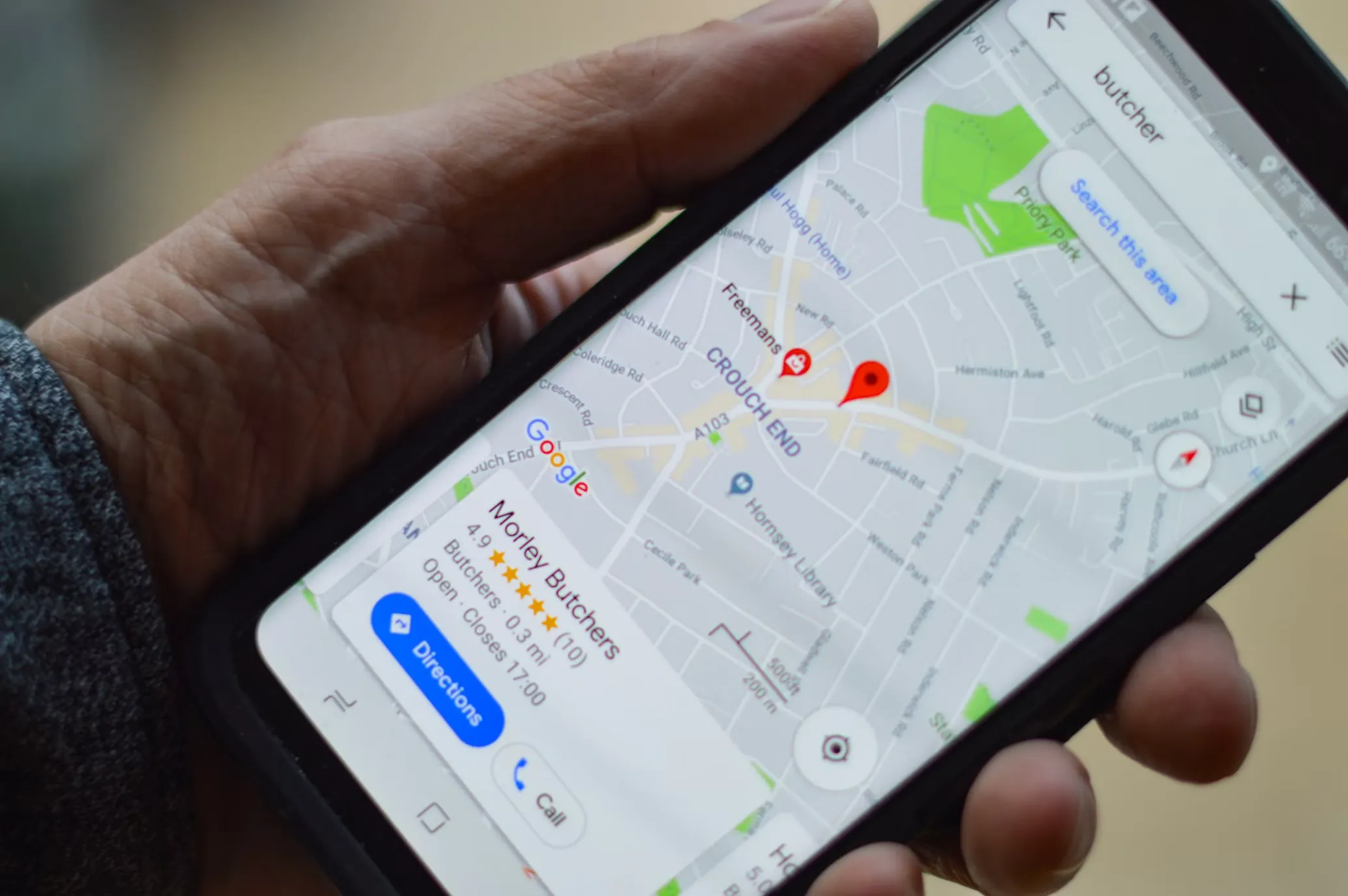
If you’re considering local SEO services, it helps to understand what local SEO actually involves and how it can help your business appear when people search for products or services in your area.
For example, a person searching for “plumber near me” or “accountant in Perth” is likely looking for a business they can contact or visit nearby. Local SEO helps your business become more visible during these searches.
Whether you’re a small business serving one suburb or a company operating across multiple locations, a strong local SEO strategy can help you attract customers who are already searching for what you offer.
What Is Local SEO?
Local SEO is a branch of search engine optimisation focused on improving a business’s visibility in location-based searches.
Unlike traditional SEO, which can target people anywhere, local SEO focuses on searches where location is an important part of the user’s intent.
These might include searches such as:
- “electrician Perth”
- “coffee shop near me”
- “dentist in Belmont”
- “emergency plumber near me”
Local SEO therefore involves more than simply adding a suburb or city to your website. It includes your Google Business Profile, website, reviews, business information, local citations and other signals that help establish your business’s relevance and prominence in a particular area.
How Does Local SEO Work?
Relevance
Relevance refers to how well your business matches what someone is searching for.
For example, if someone searches for “emergency electrician”, a business that clearly offers emergency electrical services is more relevant than a business that only provides general electrical products.
This is why your Google Business Profile and website should accurately describe your services.
Distance
Distance refers to how close your business is to the location associated with the search.
This could be the searcher’s current location, a location included in the search or another location Google considers relevant.
You can’t simply add a suburb to your website and guarantee that you’ll rank there. Google’s local results consider the actual relationship between a business and the search location.
Prominence
Prominence relates to how well-known and established a business is.
Google can consider signals such as links pointing to your website, reviews and other information about your business across the web.
This means local SEO isn’t just about being nearby. You also need to establish your business as a credible and relevant option.
Local Pack vs Local Organic Results
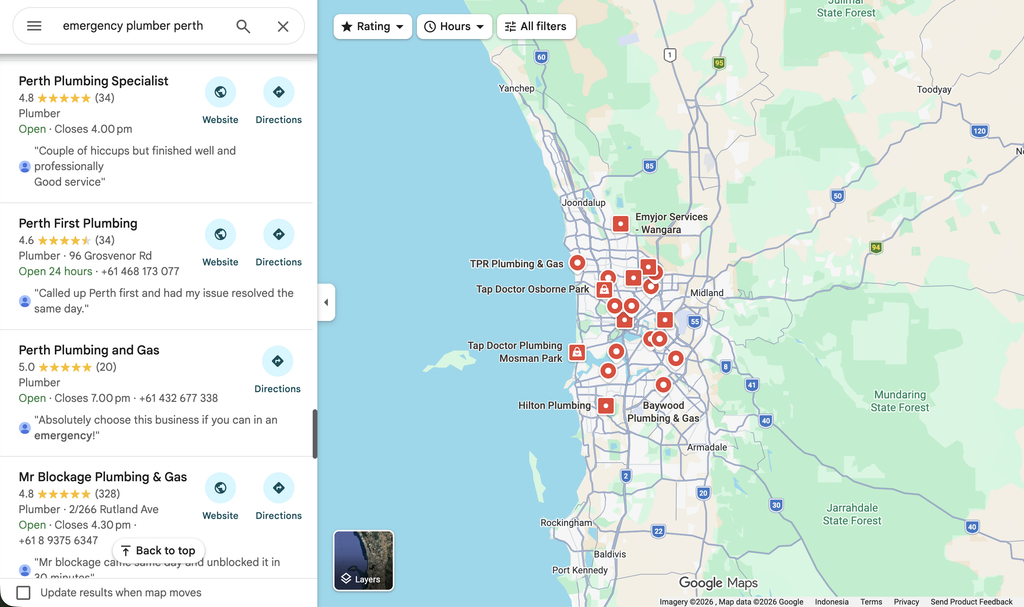
The Local Pack
The Local Pack is the group of local business listings that typically appears prominently in Google Search and can include a map, business names, ratings, opening hours and other information.
These listings are closely connected to your Google Business Profile.
Local Organic Results
Below or around the Local Pack, Google may also show traditional website results that are relevant to the local search.
Your website can therefore appear in local search in more than one way.
A strong local SEO strategy should consider both your Google Business Profile and your website, rather than focusing exclusively on one.
How to Rank Higher in Local Search Results
There isn’t one trick that guarantees a top position in local search.
Instead, local SEO involves improving several aspects of your online presence and maintaining accurate information over time.
Here are some of the most important areas to focus on.
1. Optimise Your Google Business Profile
For businesses that serve a local area, your Google Business Profile is one of the most important parts of your local search presence.
Start by making sure your profile information is accurate and complete.
This includes:
- Business name
- Primary category
- Secondary categories where relevant
- Address or service area
- Phone number
- Website
- Opening hours
- Services
- Business description
- Photos
Your primary category deserves particular attention because it helps Google understand what your business does.
Choose the category that most accurately represents your core business rather than selecting categories simply because they contain keywords you want to rank for.
It’s also important to keep your profile updated. Changes to opening hours, services, phone numbers or other important information should be reflected on your profile.
2. Target the Right Local Keywords
Keyword research is still an important part of local SEO.
Start by understanding how potential customers describe the services or products you offer and where they are searching.
For example, a business might target:
- “landscaper Perth”
- “landscaper Joondalup”
- “landscaping services near me”
However, don’t simply add location names to every page.
Instead, use local keywords where they genuinely help explain your services and the areas you serve.
For example, a Perth-based business could naturally mention the suburbs or areas it services on an appropriate service area page.
The goal is to make your content useful for people and understandable to search engines.
3. Create Useful Local Website Content

Your website should clearly communicate what your business offers and where you operate.
Important pages may include:
- Service pages
- Location pages
- Contact page
- About page
- Frequently asked questions
- Helpful local blog articles
For example, a plumbing business serving several suburbs might have a dedicated service page explaining its plumbing services and a useful location page explaining the areas it covers.
However, avoid creating dozens of almost identical suburb pages simply by replacing one location name with another.
Thin, repetitive pages don’t provide much value to users.
Instead, create genuinely useful local content that answers questions or provides information relevant to customers in that area.
4. Keep Your Business Information Consistent
Your business’s basic information should be accurate and consistent across relevant websites and directories.
This information is often referred to as NAP:
- Name
- Address
- Phone number
If your business has recently changed its phone number, address or name, check important online listings and update them.
Inconsistent information can create confusion for customers and make it harder for search engines to confidently connect different business listings to the same company.
5. Get Genuine Customer Reviews
Reviews can help potential customers decide whether your business is worth contacting, while also contributing to your overall local search presence.
Encourage genuine customers to leave reviews after they’ve used your products or services.
You can make the process easier by providing customers with a direct link to your Google review page.
It’s also worth responding to reviews — both positive and negative — professionally and appropriately.
Avoid buying reviews, creating fake reviews or offering incentives in exchange for positive feedback. Your review strategy should focus on genuine customer experiences.
6. Build Relevant Local Citations
A local citation is a mention of your business information on another website or platform.
Depending on your industry, this might include:
- Australian business directories
- Industry directories
- Local associations
- Chamber of commerce websites
- Local community websites
- Relevant business listings
The priority should be quality and relevance, not simply creating as many listings as possible.
If a directory has little connection to your industry or location, there’s not necessarily a benefit to creating a listing just for the sake of having another citation.
7. Earn Local Backlinks
Links from other reputable websites can help establish your website’s authority.
For local businesses, relevant local links can be particularly useful.
Potential opportunities include:
- Local news websites
- Industry organisations
- Community organisations
- Local business associations
- Suppliers and partners
- Sponsorships
- Local events
- Community initiatives
For example, a business that sponsors a local community event may have an opportunity to be mentioned on the event’s website.
The important part is that the link should come naturally from a genuine relationship or useful resource.
8. Make Your Website Mobile-Friendly
Local searches frequently happen when people are on the move.
Someone searching for a nearby restaurant, tradesperson or retailer may be using their phone and looking for a business they can contact immediately.
Make sure your website:
- Loads quickly
- Works properly on mobile devices
- Has easy-to-use navigation
- Displays contact information clearly
- Makes important calls to action easy to find
If someone finds your business through local search but struggles to use your website, you could lose the enquiry even after winning the search visibility.
9. Make It Easy to Contact Your Business
Local search often has strong commercial intent.
Someone searching for “electrician near me” may not want to read a 2,000-word article. They may simply want to know:
Can this business help me, and how can I contact them?
Make sure your website clearly displays:
- Phone number
- Contact form
- Business location or service area
- Opening hours
- Booking options where relevant
- Services provided
Your Google Business Profile should also make it easy for people to call, visit your website or request directions where applicable.
Common Local SEO Mistakes to Avoid
Local SEO can become counterproductive when businesses focus too heavily on trying to manipulate rankings.
Keyword stuffing
Adding the same suburb or keyword repeatedly doesn’t make a page more relevant. Write naturally and use location terms where they genuinely help the reader.
Creating thin location pages
Don’t create dozens of near-identical pages for every suburb you want to rank in. Each location page should provide useful, meaningful information.
Choosing irrelevant Google Business Profile categories
Don’t select categories just because you want to rank for those terms. Choose categories that accurately describe your business.
Ignoring reviews
A business with a well-optimised profile but very few recent reviews may struggle to build trust with potential customers.
Make collecting genuine feedback part of your ongoing marketing process.
Buying fake reviews or links
Manipulative tactics can put your business’s reputation and search visibility at risk. Focus on earning genuine reviews, mentions and links.
Forgetting about your website
Google Business Profile is important, but it isn’t the entire local SEO strategy.
Your website still needs useful content, clear services, good technical performance and relevant local information.
FAQs About Local SEO
How do I rank higher in local search results?
Start by optimising your Google Business Profile, targeting relevant local keywords, creating useful website content, maintaining consistent business information, earning genuine reviews and building relevant local authority.
What are local SEO services?
Local SEO services are professional services designed to improve a business’s visibility in geographically relevant searches. They can include Google Business Profile optimisation, keyword research, website optimisation, local citations, review strategies, content and link building.
Does Google Business Profile help with local SEO?
Yes. Your Google Business Profile is an important part of your local search presence, particularly for appearing in Google’s local results and Maps.
How important are Google reviews for local SEO?
Reviews can help demonstrate customer experience and build trust with potential customers. Businesses should focus on collecting genuine reviews rather than trying to manipulate their review count or rating.
Do I need a location page for every suburb I serve?
No. Creating a separate page for every suburb isn’t always necessary. Location pages should only be created when they provide useful, unique information for people in that area.
How long does local SEO take to work?
There is no guaranteed timeframe. Results depend on factors such as competition, location, website authority, Google Business Profile strength and the business’s existing online presence.
Build a Stronger Local Search Presence
Ranking higher in local search isn’t about finding one shortcut or adding your suburb to every page. It’s about giving Google clear, consistent information about who your business is, what you offer and where you operate, while building trust with the people who find you.
From Google Business Profile optimisation and local keyword research to website content, citations and reviews, the strongest local SEO strategies work across multiple parts of your online presence.
If your business is struggling to appear in local search or you’re not sure where to start, Ostenpowers can help you assess your current local SEO performance and identify opportunities to improve your visibility.
Get in touch with our team to discuss your local SEO strategy and how you can reach more customers in the areas you serve!