SEO
SEO
 Web Design & Development
 Google Ads
 Social Media Ads
 App Design & Development
 Lawyer
 Tradies
 E-commerce



 July 2, 2026
If you’ve spent any time looking into digital marketing, you’ve probably come across the term content marketing.
It’s one of the most common strategies businesses use to build trust, improve visibility, and attract customers online.
But what is content marketing exactly?
In simple terms, content marketing is the process of creating and sharing useful content to attract a specific audience and guide them towards taking action.
That content could be blog posts, videos, emails, social media posts, case studies, or even podcasts.
In this guide, we’ll break down how content marketing works, why it matters, and how businesses use it to grow.
What Is Content Marketing?
Content marketing is a long-term marketing strategy built around creating content that informs, educates, or solves a problem for your audience.
The goal is to attract attention, build trust, and keep your business visible throughout the buying journey.
For example:
- A plumber might publish a blog on how to spot hidden water leaks.
- A law firm might create a guide on what to do after a car accident.
- An e-commerce store might send email tips on how to care for products after purchase.
Over time, that builds authority and makes your business more familiar to potential customers.
Why Is Content Marketing Important?
Most customers spend time researching, comparing options, and looking for answers before making a decision.
That’s where content marketing helps. It allows your business to show up earlier in the buying process.
Instead of waiting until someone is ready to buy, content gives you the chance to connect while they’re still learning.
This can help your business:
- Increase brand awareness
- Build trust with potential customers
- Improve search visibility
- Generate leads over time
- Support other channels like SEO and social media ads
How Content Marketing Works
Content marketing usually supports different stages of the customer journey.
Awareness
This is when someone first realises they have a problem or need. At this stage, they’re looking for information.
Examples:
- “How to improve website traffic”
- “Why isn’t my Google Ads campaign working?”
Consideration
This is when the customer starts exploring solutions. They know the problem, and now they’re comparing options.
This is where content like case studies, comparisons, and practical advice becomes useful. It helps people understand what approach might suit them.
Decision
At this point, the customer is close to taking action. They may be comparing providers, products, or services.
Content here should help remove hesitation. Things like testimonials, service pages, and success stories can make a difference.
Types of Content Marketing

Content marketing comes in many forms. Different formats work better for different audiences and goals.
Some of the most common include:
Blog posts
Blogs are one of the strongest content marketing tools for SEO. They help answer questions, target keywords, and bring in organic traffic.
Video
Video can explain ideas quickly and often feels easier to consume. This includes tutorials, product demos, and short social clips.
Email marketing
Email helps you stay connected with people who already know your business. It’s useful for nurturing leads and keeping customers engaged.
Social media content
Social content helps distribute your message and build visibility. It can also support wider campaigns by driving traffic back to your website.
Case studies
Case studies show proof. They help potential customers see how your business has solved problems before.
Lead magnets
Things like guides, checklists, and templates can be used to capture leads. This gives your business a way to continue the conversation.
The Benefits of Content Marketing
When done properly, content marketing can create long-term value. Some of the biggest benefits include:
Better search visibility
Content gives search engines more pages to index and more context about your expertise.
This can improve your rankings over time.
Lower customer acquisition costs
Paid ads stop the moment you stop spending. Content can continue attracting traffic without constant ad spend.
Stronger trust
People are more likely to buy from businesses they recognise and trust. Useful content helps build that trust.
More leads
Content can bring in people actively searching for answers. This often means stronger intent.
Better support for other marketing channels
Good content can improve the performance of SEO, email, social media, and even paid campaigns.
How to Create a Content Marketing Strategy

Understand your audience
Know who you’re trying to reach. Start from these questions:
- What problems do they have?
- What questions are they asking?
- What information are they searching for?
Set clear goals
Decide what you want your content to do.
This could be:
- Generate leads
- Increase traffic
- Build authority
- Improve conversions
Do keyword research
Find out what your audience is searching for.
This helps you create content around real demand. It also improves your chances of ranking.
Create a content plan
Map out what topics you’ll cover and when. Publishing once every few months won’t build much momentum.
Focus on distribution
Publishing is only part of it.
Promote your content through email, social media, and internal linking. The more visibility it gets, the better.
Does Content Marketing Still Work in 2026?
Yes. But it has changed.
Content marketing still works because people still search for information before making decisions.
What has changed is how content gets discovered.
Search is no longer just Google. AI platforms like OpenAI, Perplexity AI, and Google are changing how people find answers.
That means businesses need content that is:
- Clear
- Useful
- Well-structured
- Trustworthy
- Up to date
Content now plays a bigger role in visibility across both traditional search and AI-driven search.
How to Measure Content Marketing Success
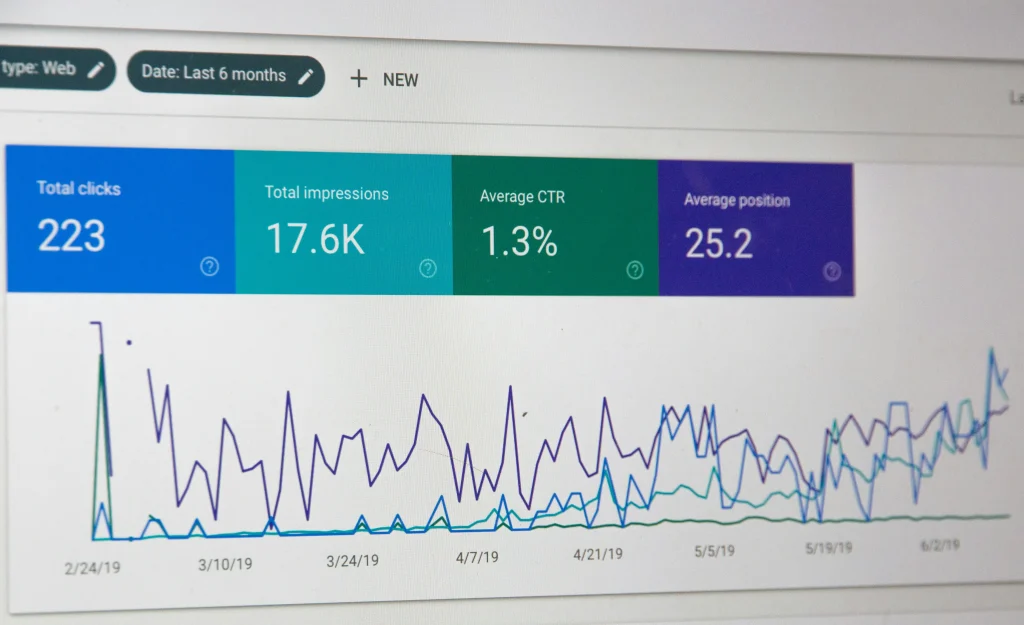
Creating content is one thing. Knowing whether it’s working is another.
Some useful metrics to track include:
- Organic traffic
- Time on page
- Lead form submissions
- Email signups
- Conversion rates
- Keyword rankings
- Revenue generated
These numbers give you a clearer picture of what’s actually driving growth. Without tracking, it’s easy to create content without knowing if it’s worth the effort.
Ready to Build a Smarter Content Strategy?
Content marketing can be one of the strongest long-term growth channels for a business. But only when there’s a clear strategy behind it.
Without the right direction, it’s easy to spend time creating content that gets traffic but doesn’t bring results.
The goal isn’t just to publish more. It’s to create content that supports your business goals, improves visibility, and turns attention into action.
At Ostenpowers, we help businesses build content strategies around real growth. From SEO to paid campaigns and user experience, our team focuses on what moves the needle.
If you’re ready to build a content strategy with purpose, get in touch with our team today.