SEO
SEO
 Web Design & Development
 Google Ads
 Social Media Ads
 App Design & Development
 Lawyer
 Tradies
 E-commerce


 August 27, 2026
Off-page SEO refers to the activities and signals outside your website that can help build its authority, reputation and visibility in search results.
While on-page SEO focuses on things you can control directly on your website, off-page SEO is largely about how your business is represented and referenced elsewhere online. This can include backlinks, brand mentions, online reviews, local citations and digital PR.
For businesses competing in crowded search results, having a well-optimised website is only part of the picture. Building credibility beyond your own website can also help establish your business as a trusted and relevant result.
What Is Off-Page SEO?
Off-page SEO is the practice of improving signals and relationships outside your own website to support your search visibility.
The most well-known part of off-page SEO is link building. When another relevant website links to your content, it can provide a useful external signal about your website and potentially send relevant visitors to your business.
However, off-page SEO isn’t limited to backlinks. Depending on the business and industry, it can also involve:
- Brand mentions
- Online reviews
- Local citations
- Digital PR
- Industry listings
- Partnerships
- Content promotion
- Relevant community activity
Why Is Off-Page SEO Important?
Search engines can learn a lot about a business from its own website, but external references can provide additional context.
For example, imagine two businesses offering similar services. One has a well-designed website but very little presence elsewhere online. The other is mentioned by relevant industry publications, has genuine customer reviews and earns links from reputable websites.
The second business has a broader online reputation that extends beyond its own website.
Off-page SEO can therefore help businesses:
- Build website authority
- Increase brand visibility
- Earn referral traffic
- Establish industry credibility
- Reach new audiences
- Strengthen their overall search presence
Off-Page SEO vs On-Page SEO
| On-Page SEO | Off-Page SEO |
| Website content | Backlinks |
| Keyword targeting | Brand mentions |
| Page structure | Online reviews |
| Internal linking | Local citations |
| Title tags and metadata | Digital PR |
| Image optimisation | External references |
There is also technical SEO, which focuses on areas such as website performance, crawlability, indexing and structured data.
A successful SEO strategy usually considers all three areas rather than treating off-page SEO as a replacement for on-site optimisation.
5 Important Off-Page SEO Strategies

1. Earn Relevant Backlinks
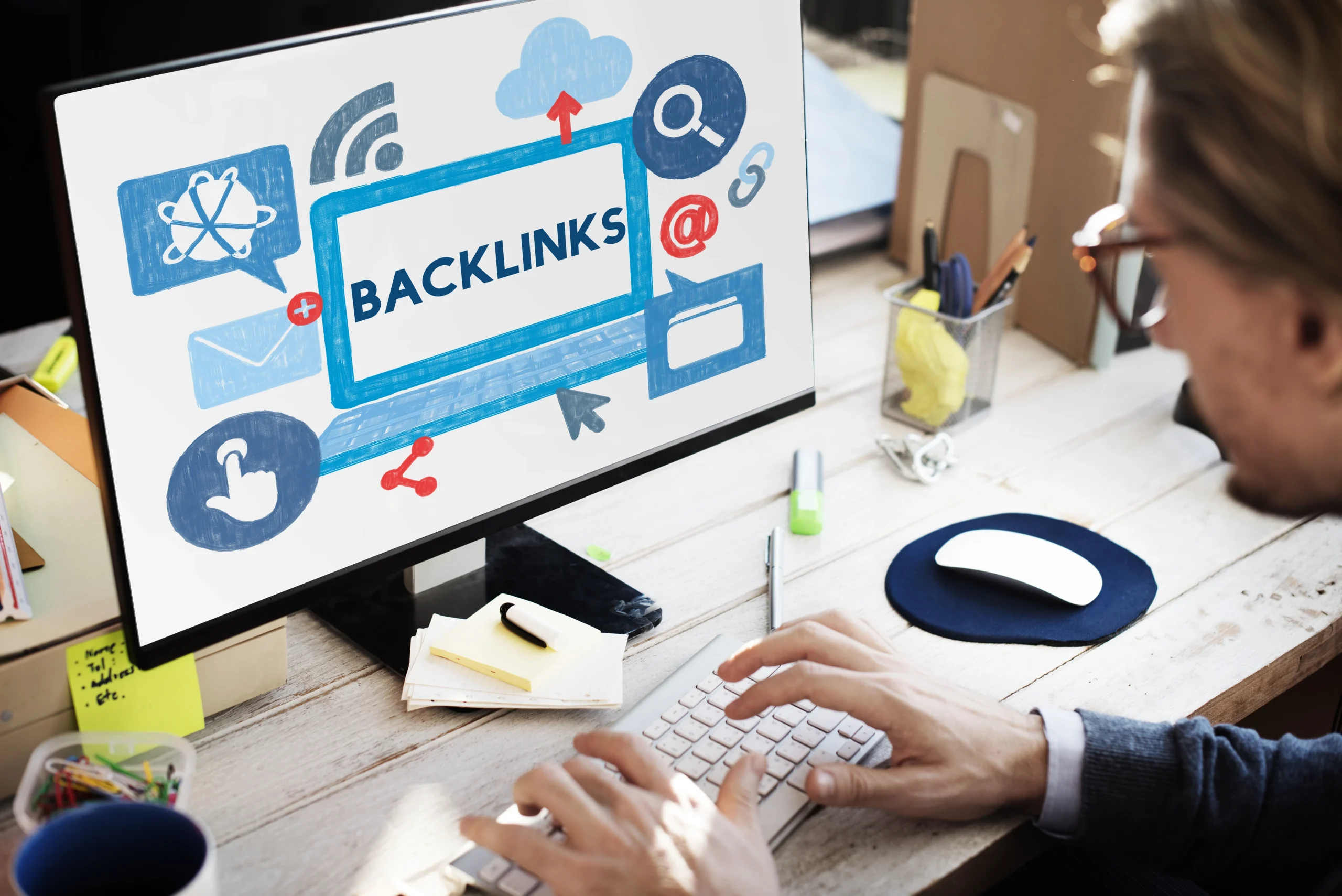
Backlinks are links from another website to your website and remain an important part of off-page SEO.
However, more links don’t automatically mean better SEO.
A relevant link from a reputable website can be much more useful than a large number of links from unrelated or low-quality websites.
For example, a building company might benefit from being mentioned by a relevant construction publication, industry organisation or supplier. A random website with no connection to the industry provides much less meaningful context.
Good link-building opportunities can come from:
- Industry publications
- Suppliers and business partners
- Professional organisations
- Local publications
- Useful industry resources
- Original research or data
- Digital PR
2. Build Brand Mentions
Not every external reference to your business needs to include a backlink.
A brand might be mentioned in an article, industry discussion, news story or business directory without receiving a link.
Building genuine brand visibility can help more people discover your business and create opportunities for further references and links.
This is particularly useful when you have something worth talking about, such as original research, expert commentary, an interesting project or useful industry information.
3. Maintain Local Citations and Business Profiles
For businesses serving a particular area, local presence is another important part of off-page SEO.
This can include:
- Google Business Profile
- Local business directories
- Industry directories
- Professional associations
- Relevant local websites
Your business name, address and phone number should be accurate across important listings.
Don’t treat directories as a numbers game, though. Creating hundreds of irrelevant listings isn’t necessarily useful. Prioritise platforms that are reputable, relevant to your industry or genuinely useful to potential customers.
4. Earn Genuine Customer Reviews
Reviews are another way your business builds credibility outside its own website.
Positive reviews can help potential customers feel more confident about contacting you, particularly when they’re comparing several local businesses.
A good review strategy should focus on genuine customer experiences.
Encourage customers to leave honest feedback, respond professionally to reviews and address legitimate concerns appropriately. Avoid buying reviews, creating fake feedback or manipulating ratings.
Reviews should be treated as part of your broader reputation strategy rather than simply another SEO tactic.
5. Use Digital PR and Content Promotion
Creating useful content is only half the job. People need to discover it before they can reference or share it.
Digital PR and content promotion can help put useful information in front of relevant audiences.
Potential opportunities include:
- Industry publications
- Local media
- Expert commentary
- Business partnerships
- Original research
- Industry reports
- Community initiatives
- Newsworthy company developments
For example, original data or research can give journalists and industry websites a reason to reference your business.
What Makes a Good Backlink?
Relevance
The website and content should have some genuine connection to your industry, topic or audience.
Trustworthiness
A link from an established, legitimate website is generally more valuable than one from a questionable website created primarily to sell links.
Context
The link should make sense within the surrounding content. It should help the reader rather than appear randomly inserted into a page.
Natural placement
A backlink should ideally exist because the linked content or business is genuinely worth referencing.
Potential referral traffic
Don’t forget the people clicking the link. A relevant backlink can introduce your business to potential customers even beyond its SEO value.
Common Off-Page SEO Mistakes
Off-page SEO can become counterproductive when the focus shifts from building genuine authority to manipulating rankings.
Common mistakes include:
- Buying large quantities of backlinks
- Using irrelevant directories
- Creating links solely for SEO purposes
- Focusing on link quantity rather than relevance
- Ignoring online reviews
- Using manipulative link-building tactics
- Building links to poor-quality content
- Expecting immediate results
A strong off-page strategy should make sense even if you temporarily remove SEO from the equation. Ask yourself: Would this mention, link or partnership still be useful to the audience?
If the answer is yes, you’re more likely to be building something worthwhile.
FAQs About Off-Page SEO
Are backlinks still important for SEO?
Yes. Backlinks remain an important part of off-page SEO, particularly when they come from relevant and trustworthy websites. However, quality and relevance are generally more important than simply accumulating large numbers of links.
How do I build backlinks?
The best approach is to create useful content and develop genuine opportunities for relevant websites to reference your business. Industry relationships, digital PR, original research, useful resources and partnerships can all create backlink opportunities.
What is the difference between on-page and off-page SEO?
On-page SEO involves optimising elements on your own website, such as content, page structure and internal links. Off-page SEO focuses on external signals such as backlinks, brand mentions, reviews and citations.
Can social media improve off-page SEO?
Social media can help increase content visibility, brand awareness and opportunities for people to discover and reference your business. However, social activity shouldn’t be treated as a simple substitute for earning relevant backlinks or building genuine authority.
Build Your Website’s Authority With Off-Page SEO
Off-page SEO is ultimately about building your business’s reputation beyond your own website. It isn’t simply a matter of collecting backlinks or creating as many directory listings as possible.
A stronger approach focuses on earning relevant links, building brand visibility, maintaining a credible online presence and creating content that other people genuinely want to reference.
For businesses competing in difficult search results, this can become an important part of a broader SEO strategy.
If you’re unsure where your website currently stands or how off-page SEO could support your organic search performance, Ostenpowers can help assess your existing SEO presence and identify opportunities to build greater authority.
Get in touch with our team to discuss your SEO strategy!