SEO
SEO
 Web Design & Development
 Google Ads
 Social Media Ads
 App Design & Development
 Lawyer
 Tradies
 E-commerce


 June 19, 2026
For small businesses, getting found online can be the difference between a steady stream of enquiries and a website that barely gets visited.
The challenge is that most small business owners are competing against larger brands with bigger budgets, bigger teams, and more established websites. That can make SEO feel out of reach. But the reality is, small businesses often have an advantage, they can move faster, focus on niche services, and build stronger local relevance.
In this guide, we’ll break down what SEO for small business actually involves, what matters most, and where to focus your efforts.
What Is SEO for Small Business?
SEO (search engine optimisation) is the process of improving your website so it appears higher in search results when people look for products or services related to your business.
For small businesses, that usually means targeting practical searches with buying intent.
For example:
- “electrician in Melbourne”
- “best café near me”
- “accountant for small business Sydney”
These searches matter because they often come from people ready to take action.
Unlike paid ads, SEO doesn’t stop the moment you stop spending. It builds momentum over time. A page that ranks well can keep bringing in leads for months or even years.
That’s why SEO remains one of the most cost-effective marketing channels for small businesses.
Why SEO Matters More for Small Businesses

Most buying journeys start with search.
Whether someone needs a local plumber, a new pair of shoes, or a digital marketing agency, Google is usually the first stop.
If your business doesn’t appear when people search, you’re invisible to a large part of your market.
Good SEO helps small businesses:
- Bring in qualified traffic without paying for every click
- Build trust by appearing in organic results
- Compete against bigger businesses in local markets
- Generate leads consistently over time
- Reduce dependency on paid advertising
Start With Search Intent, Not Just Keywords
A common mistake in small business SEO is chasing broad keywords because they have higher search volume.
A keyword like “shoes” might get thousands of searches, but it’s too broad. Someone searching “best running shoes for flat feet” is much closer to making a decision.
That’s where intent comes in. Strong SEO starts by understanding what your customer is actually looking for.
Ask yourself:
- What problems are they trying to solve?
- What questions do they ask before buying?
- What words would they use to describe your service?
Focus on Local SEO First
For many small businesses, local SEO is where the fastest wins happen.
If you serve a specific suburb, city, or region, Google wants to show local results.
That means your SEO strategy should include location signals throughout your website.
This includes:
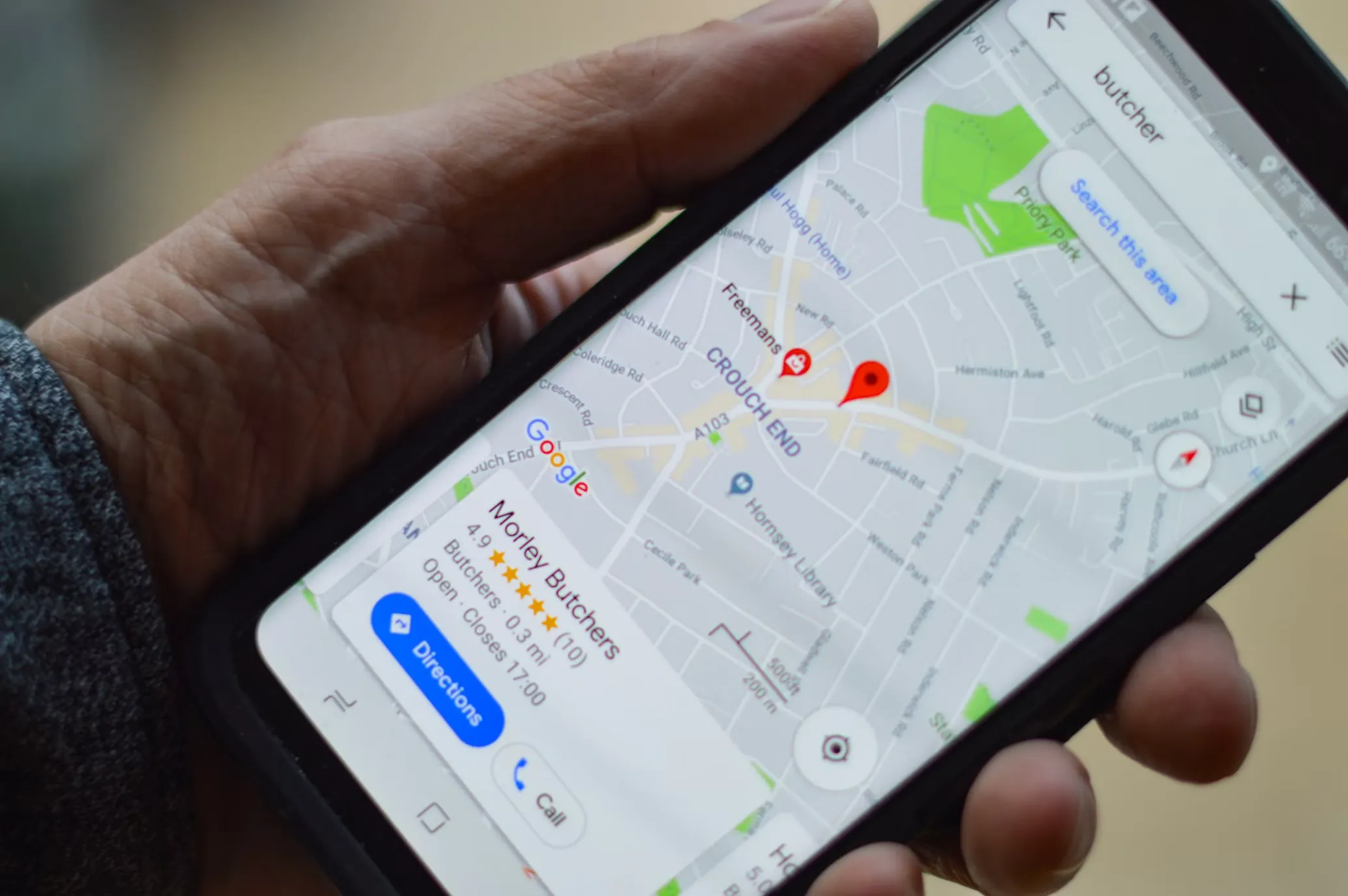
- Setting up and optimising your Google Business Profile
- Adding your service areas to your website
- Using location-based keywords naturally
- Keeping your business name, address, and phone number consistent
- Getting customer reviews
For example, a physiotherapist in Brisbane has a much better chance ranking for “sports physio Brisbane” than simply “physiotherapy”.
Build Service Pages That Actually Help
A lot of small business websites have thin service pages that say very little.
That makes it harder for Google to understand what you do.
A strong service page should clearly explain:
- What the service is
- Who it’s for
- How your process works
- Common problems it solves
- Why someone should choose you
It should answer questions before the customer needs to ask.
Don’t Ignore Technical SEO
Content matters, but your website still needs to function properly.
Technical SEO helps search engines crawl and understand your site.
For small businesses, the basics usually matter most:
- Fast loading pages
- Mobile-friendly design
- Clear page structure
- Proper title tags and meta descriptions
- Internal links between related pages
- No broken pages or dead links
You don’t need a perfect site. But if your site is slow, confusing, or difficult to navigate, rankings can suffer.
Content Still Plays a Big Role
SEO is no longer just about service pages. Helpful content builds trust and creates more opportunities to rank.
For example, if you’re a mortgage broker, an article like “How Much Deposit Do You Need for Your First Home?” can attract early-stage buyers before they’re ready to enquire.
The goal isn’t to publish content for the sake of it. It’s to answer the questions your audience is already asking.
SEO Is Changing With AI Search
Search is shifting. People are now asking AI tools direct questions instead of typing short phrases into Google.
That means SEO is becoming less about exact-match keywords and more about clarity, trust, and usefulness.
If your content is structured well and answers questions clearly, it has a better chance of being referenced in AI-generated answers.
For small businesses, this means writing simpler, clearer content is often the smarter move.
How Long Does SEO Take?
This is usually the first question.
The honest answer is: it depends.
If your site is new, competitive, or has little existing content, SEO can take several months before you see real movement. For local businesses in less competitive spaces, improvements can happen sooner. But SEO compounds. The work you do now keeps building.
That’s why consistency matters more than speed.
Ready to Improve Your Search Visibility?
SEO can feel overwhelming when you’re running a business and juggling everything else that comes with it. Between technical fixes, content planning, local rankings, and keeping up with how search keeps changing, it’s easy to lose time on the wrong things.
The good news is you don’t need to chase every tactic. You just need a strategy built around how your customers actually search.
At Ostenpowers, we help small businesses cut through the noise and focus on what drives real growth. If you’re ready to improve your online visibility and build a search strategy that makes sense for your business, explore our portfolio or get in touch with our team today.